Tumble dryer's drying results are poor and laundry is damp after drying
Issue
- Laundry stays damp after drying
- Tumble dryer does not heat up
- Drying results are poor
- How to improve drying results
Applies to
- Heat pump dryer
- Condenser dryer
- Vented dryer
Resolution
Heat Pump Tumble Dryer Drying Times – What to Expect
Heat pump tumble dryers operate at lower temperatures, delivering a very gentle drying process. Because of this technology, drying times may be longer compared to traditional condenser dryers. This is normal and does not indicate a malfunction.
At the start of a drying cycle, it may seem like the appliance is not heating. This is expected, as the heat pump initially uses its energy to warm up and extract moisture from the laundry. For best results, allow the dryer to complete the selected programme without interruption.
Opening the door during a cycle can significantly extend drying time - by up to 30 minutes each time - because the system needs to rebuild the internal temperature.
Humidity‑Controlled vs Time‑Controlled Drying
Understanding programme types can help you achieve better drying results:
Humidity‑controlled programmes (sensor drying)
- Use sensors to measure moisture levels in the laundry
- Automatically stop when the selected dryness level is reached (e.g. Iron Dry, Cupboard Dry, Extra Dry)
- Help prevent over‑drying, and fabric care
- Drying time varies depending on load size, fabric type, and initial moisture level
Time‑controlled programmes (timed drying)
- Run for a fixed, manually selected duration (e.g. 30, 60, or 90 minutes)
- Do not adjust based on moisture levels
- Suitable for small loads, single items, or finishing slightly damp laundry
- May result in under‑ or over‑drying if the selected time is not optimal
Refer to your user manual for programme guidance.
How to Improve Drying Performance
Follow these tips to optimise drying results and efficiency:
1. Select the Correct Programme
Choose a drying programme that matches the fabric type and care label instructions. Refer to your user manual for programme guidance.
2. Adjust Dryness Level
For humidity-controlled programmes (e.g. Cotton Cupboard Dry), select a higher dryness level such as Extra Dry if needed.
3. Sort Laundry Properly
Dry similar fabrics together. Separate items by thickness and material type to ensure even drying. Use specialised programmes (e.g. Mix XL, Jeans, or Bed Linen) where available.
4. Use Enhanced Drying Options
If available, activate features such as Dry Plus or set the highest dryness level for improved results.
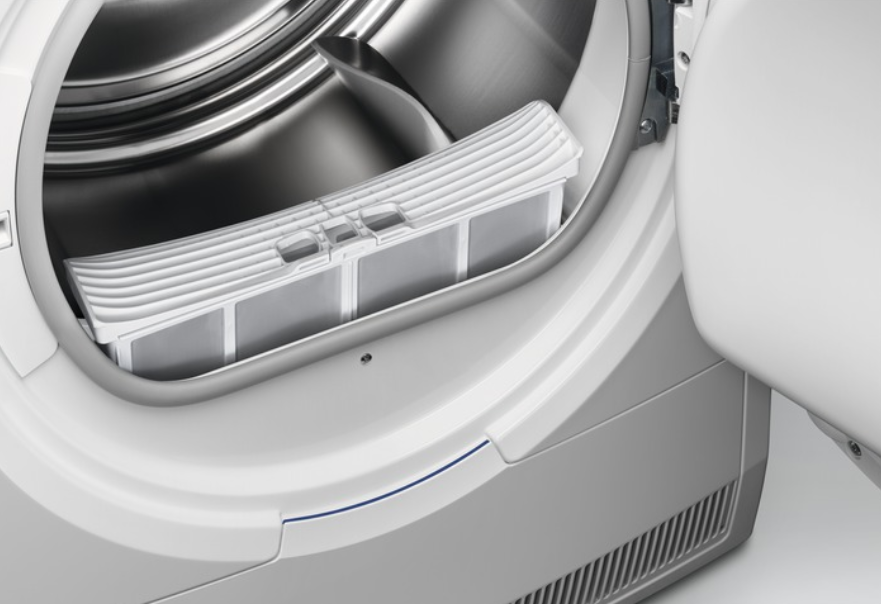
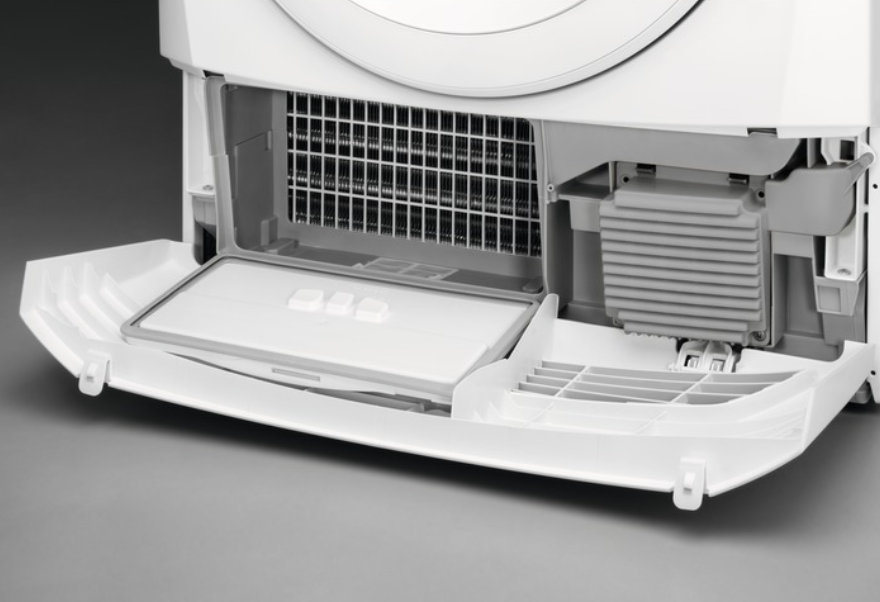
5. Clean Filters and Condenser Regularly
Blocked filters reduce airflow and drying efficiency. Clean all filters and the condenser (if accessible) according to the user manual.
Refer to the article: Cleaning tumble dryer filters and condenser
6. Avoid Overloading
Do not exceed the maximum load capacity. Load limits refer to the weight of dry laundry.
7. Maintain Suitable Room Temperature
Ensure the appliance operates in a room between +5°C and +35°C. Optimal performance is typically achieved between 19°C and 24°C.
Still need help? Get expert support
If the issue continues, a professional technician can help diagnose and fix the problem.
No matter if your appliance is in warranty, out of warranty, or covered by an appliance protection plan - we’ll guide you to the right service.
Was this article helpful?
Related Articles
- Tumble dryer emits unpleasant smells
- How to reset WiFi network settings on my Electrolux dryer
- Tumble dryer displays a padlock
- How to dry a down jacket?
- Tumble dryer displays error message E40
- Excessive moisture in room, on walls and windows where the tumble dryer is located
- Tumble dryer displays error message CD
- Tumble dryer is leaking
- Start - Pause LED flashes on tumble dryer
- Warning light(s) of tumble dryer cannot be switched off
Spare parts & Accessories
Find original spare parts for your appliance in our webshop and have them delivered directly to your door.
Related Articles
- Tumble dryer emits unpleasant smells
- How to reset WiFi network settings on my Electrolux dryer
- Tumble dryer displays a padlock
- How to dry a down jacket?
- Tumble dryer displays error message E40
- Excessive moisture in room, on walls and windows where the tumble dryer is located
- Tumble dryer displays error message CD
- Tumble dryer is leaking
- Start - Pause LED flashes on tumble dryer
- Warning light(s) of tumble dryer cannot be switched off