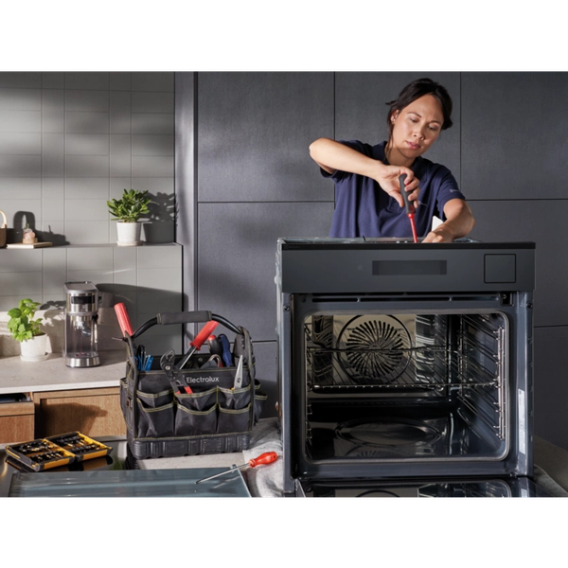
The most common oven issues I see are poor heating performance, uneven cooking, slow preheating and situations where a specific function, such as the fan or grill, stops working properly. Sometimes the cause is related to how the appliance is being used or maintained, but in other cases it can be a component that is beginning to fail and needs professional attention.
If an oven isn't heating properly, food often takes longer to cook or doesn't cook evenly. This can be caused by a faulty heating element, a thermostat issue or a problem with the fan system on certain models. Occasionally, it's simply a matter of selecting the wrong cooking function, but if the oven consistently struggles to reach or maintain temperature, it's worth having it inspected by a technician.
When an oven starts cooking unevenly, I usually look at how heat is being distributed inside the cavity. A faulty fan or a heating element that isn't working correctly can create hot and cold spots. If you regularly notice food browning more on one side, or cooking times becoming unpredictable, it may be a sign that the oven is no longer operating as intended.
An oven that takes longer than usual to preheat may be showing early signs of a heating-related problem. Over time, components such as heating elements can lose efficiency, making it harder for the appliance to reach the selected temperature. If the change is noticeable across different cooking programmes and continues over time, professional diagnosis is often recommended.
Some oven smells are completely normal, especially with a brand-new appliance during its first few uses. Residues from manufacturing need to burn off before the oven settles into normal operation. However, if an established oven suddenly develops a strong smell, it may be caused by grease build-up, food residue or a developing technical issue. Any burning or electrical smell should be taken seriously and investigated as soon as possible.